
How Does Red & Infrared Light Therapy Work?
What Is Photobiomodulation (PBM)?
Photobiomodulation (PBM), commonly known as red and near-infrared (NIR) light therapy, is a non-invasive approach that uses specific wavelengths of light to interact with cells and support their natural biological processes.
At the cellular level, light can interact with mitochondria, which play a key role in producing ATP—the primary energy source for cellular functions.
Meetu: Advancing Whole-Body Light Therapy
Meetu develops innovative light therapy devices designed to deliver consistent, controlled, and repeatable light exposure across the body, from head to toe.
Our solutions are designed to make whole-body light therapy convenient, comfortable, and easy to incorporate into daily wellness routines—with the goal of supporting recovery, cellular function, and healthy aging.
The Science Behind Red and Near-Infrared Light Therapy
Research suggests that red and near-infrared light may influence several important biological processes, including:
Cellular energy production: Supporting mitochondrial activity and cellular energy metabolism.
Recovery and tissue health: Helping support the body's natural recovery processes.
Inflammation and oxidative stress: Modulating biological responses associated with inflammation and oxidative stress.
Cellular signaling: Influencing pathways involved in tissue function and cellular responses.
At Meetu, we believe light therapy should be more than a wellness trend. By combining thoughtful product engineering with a science-informed approach, we aim to help our partners bring reliable, user-friendly PBM solutions to the global wellness and healthcare markets.
Will I Benefit from Long-Term Photobiomodulation (PBM)?
Photobiomodulation (PBM), commonly known as red and near-infrared (NIR) light therapy, may offer benefits for people at different stages of life. Research has shown promising results in exercise performance, muscle recovery, and physical resilience, although outcomes vary depending on the individual, treatment parameters, and intended use.
Support Performance and Recovery
Red and NIR light therapy is increasingly being explored by athletes, fitness enthusiasts, and trainers as part of their performance and recovery routines.
Research suggests that PBM may help support muscle recovery, reduce exercise-related muscle soreness, and improve aspects of exercise performance. Some studies have also investigated its effects on cardiovascular recovery markers, including heart rate variability (HRV), although results are not consistent across all studies.
Support Your Body's Natural Recovery Processes
When used at appropriate wavelengths and doses, red and NIR light may influence cellular energy metabolism, local circulation, and biological pathways associated with inflammation and recovery.
These effects have made PBM an area of growing interest in sports science, physical therapy, and wellness applications, particularly for supporting recovery after exercise and physical exertion.
Make Recovery Part of Your Routine
Whether you are an athlete, a fitness enthusiast, or simply looking to support an active lifestyle, whole-body red and NIR light therapy offers a convenient, non-invasive approach to incorporating light-based wellness into your routine.
With appropriately designed devices and consistent use, PBM may complement exercise, rest, and other recovery practices. The potential benefits depend on the treatment protocol, device performance, and individual response.
At Meetu, we are committed to developing reliable light therapy solutions that help our partners bring science-informed recovery and wellness technologies to more people.
How Does Red and Near-Infrared Light Therapy Work?
Red and near-infrared (NIR) light therapy, also known as photobiomodulation (PBM), uses specific wavelengths of light to interact with cells and influence their natural biological processes.
To understand how it works, let's explore the science of cellular energy, mitochondrial function, and the biological responses associated with red and NIR light.
1. Supporting Cellular Energy Production
All living cells need energy to function, grow, and maintain their normal activities. In human cells, much of this energy is supplied by ATP (adenosine triphosphate), which is produced primarily through cellular respiration.
Mitochondria play a central role in this process by converting energy from the food we eat into a usable form. Research suggests that certain wavelengths of red and NIR light can interact with components of the mitochondrial energy-producing system, potentially influencing how cells produce and use energy.
One important light-sensitive component is cytochrome c oxidase, an enzyme involved in the mitochondrial electron transport chain, which plays a key role in ATP production.
2. Supporting Mitochondrial Function and Redox Balance
Mitochondria are involved not only in energy production but also in regulating cellular signaling and oxidative balance.
At appropriate wavelengths and doses, PBM may influence mitochondrial activity and the production of reactive oxygen species (ROS). Although excessive ROS can contribute to oxidative stress, these molecules also play important roles in normal cellular signaling.
The biological response depends on factors such as wavelength, light intensity, treatment duration, and the condition of the tissue being treated.
3. Influencing Circulation and Nitric Oxide Signaling
Nitric oxide (NO) is a naturally occurring signaling molecule that helps regulate blood vessel function and vascular tone.
One proposed mechanism of PBM is that light may influence nitric oxide availability and signaling, potentially contributing to changes in local circulation under certain conditions.
Improved local blood flow may help support the delivery of oxygen and nutrients to tissues. However, effects on circulation vary by treatment protocol and clinical context, and increased blood flow or reduced blood pressure should not be assumed for every device or user.
4. Modulating Cellular Signaling and Tissue Responses
The mitochondrial electron transport chain plays an important role in cellular energy metabolism. By interacting with components of this system, red and NIR light may influence downstream signaling pathways involved in cellular function, stress responses, and tissue maintenance.
Research is also exploring how PBM may affect processes associated with inflammation, tissue recovery, cell survival, and programmed cell death (apoptosis).
These responses are complex and depend on the biological context. PBM should not be understood as directly controlling DNA or universally preventing cellular degeneration, inflammation, or mutations.
Bringing the Science Together
Red and NIR light therapy is an active area of research in photobiomodulation. Its potential biological effects involve interconnected processes, including mitochondrial activity, ATP production, redox signaling, nitric oxide pathways, and cellular responses.
At Meetu, we apply this scientific understanding to the development of light therapy devices designed to deliver controlled, repeatable light exposure for wellness, recovery, beauty, and professional applications.
Our goal is to help our partners develop reliable PBM solutions grounded in thoughtful engineering and science-informed product design.
Wellness, Pain and Inflammation Support
Red and near-infrared (NIR) light therapy, also known as photobiomodulation (PBM), is a non-invasive approach that uses specific wavelengths of light to influence cellular activity and support the body's natural recovery processes.
One area of research focuses on how PBM interacts with mitochondria, the structures responsible for producing much of the ATP (adenosine triphosphate) that cells use for energy. By influencing cellular energy metabolism and signaling pathways, PBM may help support tissue function, exercise recovery, and overall physical wellness.
Supporting Cellular Energy and Physical Performance
The brain, heart, and skeletal muscles have substantial energy requirements to maintain their normal functions. ATP is continuously produced and recycled throughout the body to support essential biological processes.
Healthy cellular energy metabolism is important for maintaining normal tissue function and responding to physical demands. Research suggests that red and NIR light therapy may influence these processes, making PBM an area of growing interest in wellness, sports recovery, and rehabilitation.
Supporting Recovery and Inflammation Management
Research suggests that PBM may help modulate biological pathways associated with inflammation and oxidative stress. Depending on the treatment parameters and application, it may also support local circulation and the body's natural tissue-repair processes.
These potential effects have attracted interest in applications involving exercise-related muscle soreness, soft-tissue recovery, and pain management. However, outcomes vary depending on the condition, wavelength, treatment dose, and individual response.
Exploring Muscle, Bone and Tissue Health
Red and NIR light therapy is also being studied for its potential role in muscle and bone health.
Possible mechanisms include changes in cellular signaling, collagen-related processes, and local tissue responses. Researchers are also investigating whether PBM influences stem-cell activity and other mechanisms involved in tissue repair.
Although early research is promising in certain applications, the strength of the evidence varies by condition and treatment protocol. PBM should be viewed as a potential complement to appropriate healthcare and recovery practices, rather than a guaranteed way to accelerate healing.
Meetu: Science-Informed Light Therapy Solutions
At Meetu, we develop light therapy devices designed to deliver controlled, repeatable light exposure for wellness, recovery, beauty, and professional applications.
Our goal is to help our partners create reliable PBM solutions that support a more informed approach to everyday wellness and recovery.
Wellbeing, Fitness and Performance Recovery
Red and near-infrared (NIR) light therapy, also known as photobiomodulation (PBM), may help support cellular energy metabolism and the body's natural recovery processes.
Research suggests that PBM may influence mitochondrial function, local circulation, and exercise recovery. These effects have generated growing interest in its potential to support physical performance, muscle recovery, and overall vitality.
Evidence from peer-reviewed studies, including placebo-controlled clinical trials, is promising for certain applications, although outcomes vary depending on the treatment protocol and individual response.
Alertness, Sleep and Circadian Rhythm
Melatonin is a naturally occurring hormone that helps regulate your sleep-wake cycle. Its production is closely linked to your body's circadian rhythm, the internal clock that helps you stay alert during the day and prepare for sleep at night.
Exposure to bright light, particularly blue-enriched light in the evening, can suppress melatonin production and disrupt your body's natural sleep signals, potentially making it harder to fall asleep.
Red and near-infrared (NIR) light therapy is being explored for its potential role in supporting overall wellness and circadian health. However, current evidence does not establish that daytime red/NIR light therapy consistently increases melatonin production or directly improves sleep for everyone.
For better sleep, consider getting natural daylight during the day, reducing exposure to bright and blue-enriched light in the evening, and maintaining a consistent sleep schedule.
Quality Control
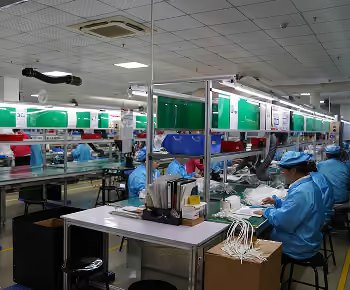
At Meetu, quality is at the core of everything we do. We continuously improve our manufacturing processes, product quality, and production facilities to deliver reliable products and consistent service to our customers worldwide.
We take a quality-driven, customer-focused approach to every stage of product development and manufacturing. Through ongoing investment in research and development, advanced manufacturing capabilities, and facility improvements, we strive to meet evolving market needs and maintain high standards of product quality and reliability.
Meetu is committed to supporting global partners with professional manufacturing capabilities and quality management practices aligned with applicable medical device requirements. Our FDA-registered establishment and medical device quality management systems support the manufacturing of medical devices for clients worldwide, including products subject to FDA 510(k) requirements.
Request a quote in one business day
Start your OEM project